
VOiD
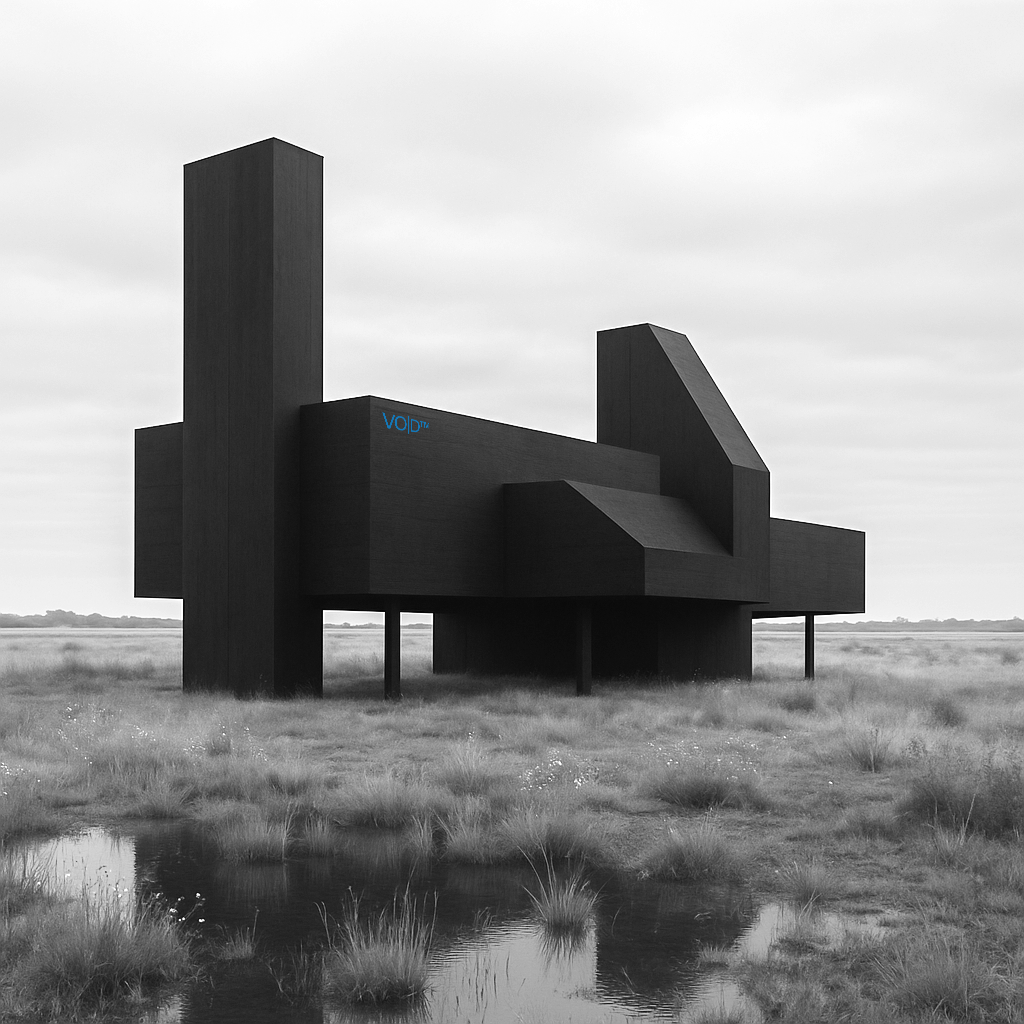
What if Henry Moore designed climate-adaptable architecture?
In response to unpredictable and in some situations extreme weather conditions, ABCDEFGHUMAN proposes a model of responsive design and regeneration — where conceptual architecture is shaped by sculptural thinking, ecological intelligence, climate defense, and with it a return to modular construction and shape-shifting interiors.
The purpose is not to produce fully autonomous objects, but to establish a more considered relationship between structure and landscape. In this way, the buildings are intended to be both self-sufficient and responsive, working with their environment rather than against it — even at its most challenging.
CONCEPT
As a design, this project indirectly began with an interest in the effect of the Turner Contemporary on Margate, and how a single cultural building was able to shift the perception of a place that had long been overlooked. Its presence didn’t just connect people with art, but changed how an overlooked space could be valued, both socially, mindfully and economically.
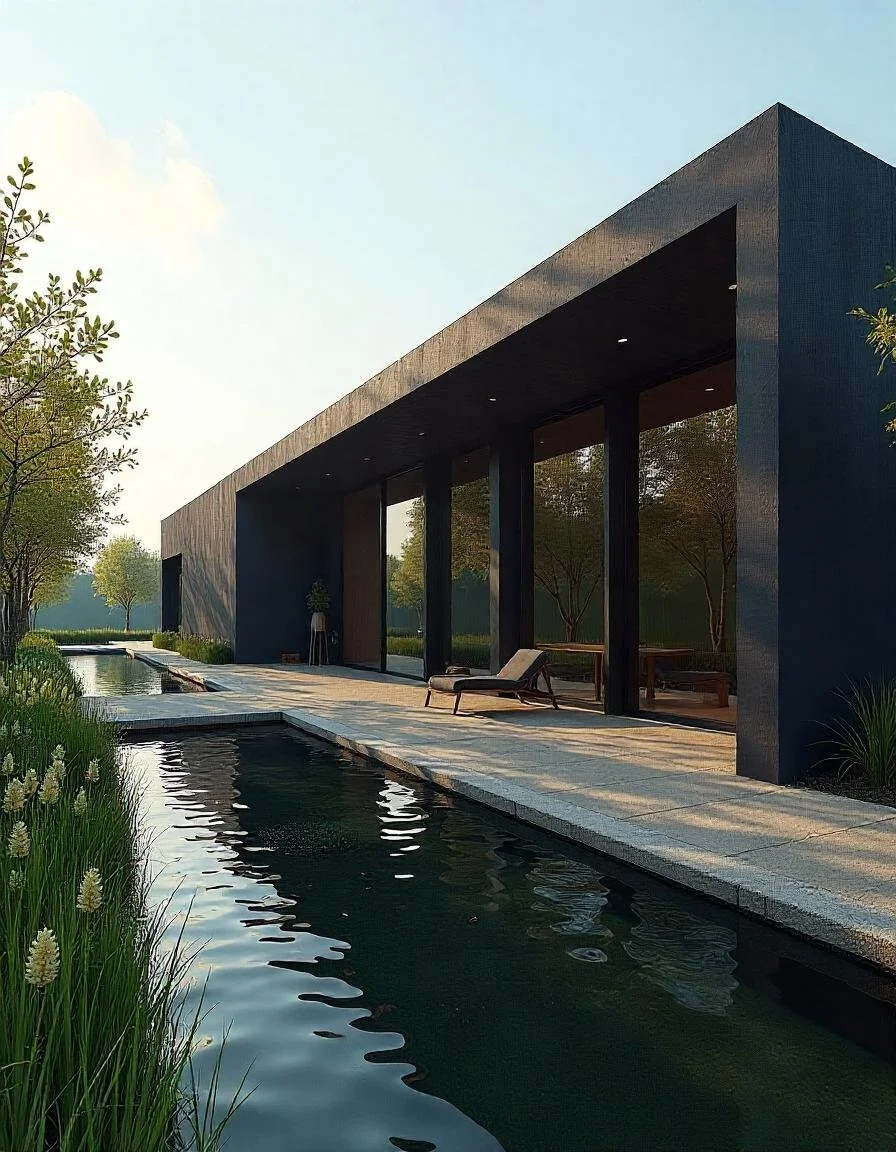
VOID is positioned somewhere between building and intervention, where architecture is used to reframe land rather than simply occupy it. Integration relies on renewable energy systems such as solar gain optimisation, rainwater harvesting, and off-grid generation to tackle drought and affordability. These combined strategies within sustainable architecture, are increasingly necessary in response to the UK’s net zero targets for 2050.
TECHNOLOGY
VOID (Model Zer01) relies on renewable energy systems such as solar gain optimisation, rainwater harvesting, and off-grid generation to tackle drought and affordability. These combined strategies within sustainable architecture, are increasingly necessary in response to the UK’s net zero targets for 2050.
Where architecture is aesthetically modelled to collaborate with nature at its most brutal, expert-supported research concludes the commercial model of acquiring eco-efficient living, vacation and working space is primitive and mossbacked, which points towards missed opportunities in line with government DECC targets.
INSTALLATION